

Considering a Renovation? Redecoration or Refurbishment Might Be the Answer
Somewhere between the second builder’s quote and the third, a homeowner occasionally stops and asks whether the house really needs all this. If you’ve read our piece on the cost of a London renovation you’ll understand why the question comes up.
Sometimes the answer is that it does, a poor layout, seriously dated bathrooms or a lack of functional space cannot be wallpapered over. Other times however, the house works well enough and the budget could be better spent elsewhere. The timing may be wrong for a renovation, or its existing layout and architecture may have more to offer than first realised once clever interventions such as custom joinery to maximise storage space and improve possible furniture layouts are considered.
That leaves room for two other approaches. Redecoration changes the cosmetic layers: paint, wallpaper and the decorative details of a room. Refurbishment goes further while working with the existing architecture. It might include new flooring, furniture and window treatments, or updates to an existing kitchen or bathroom. Many projects combine the two.
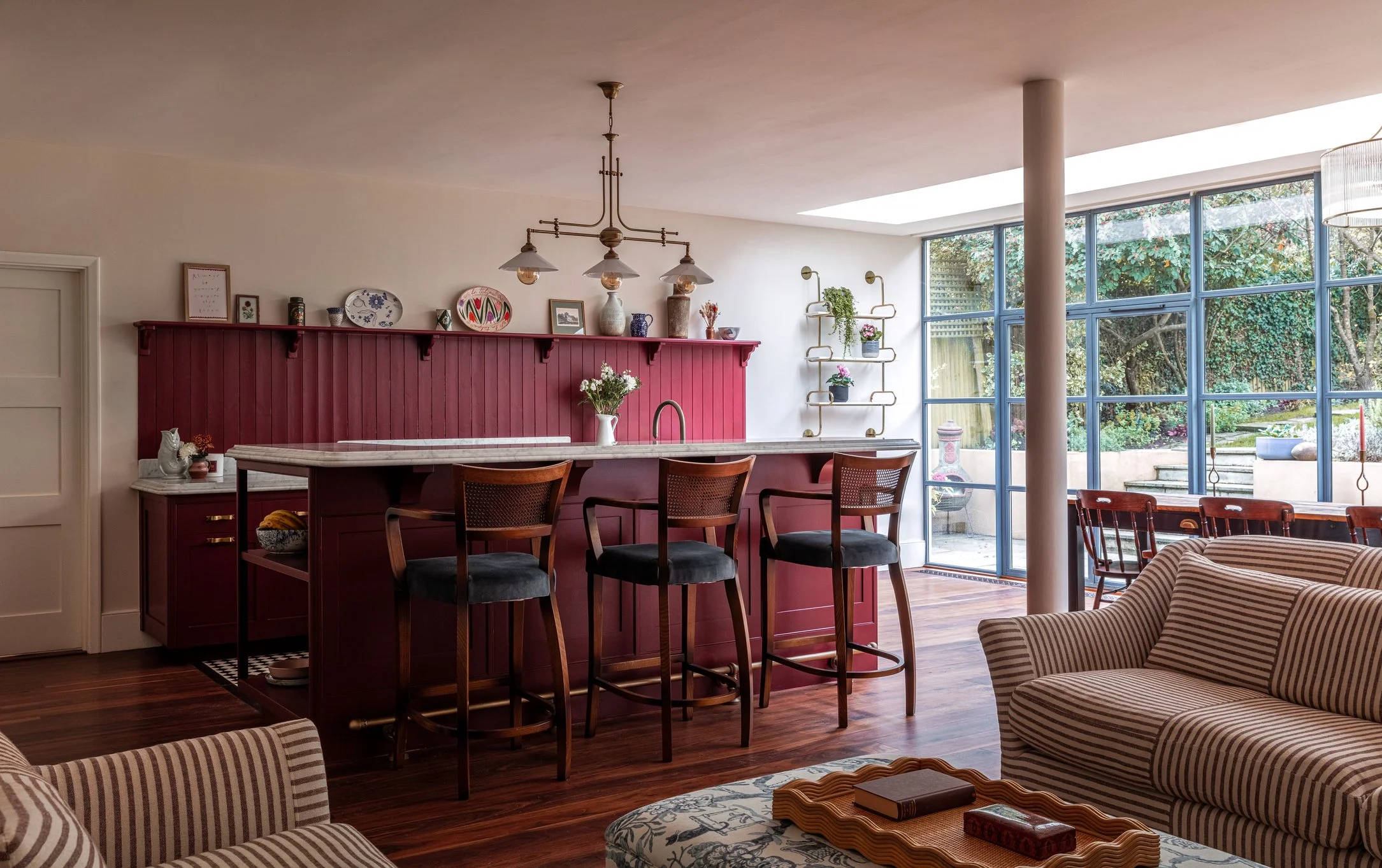
Here is how we approach that kind of work, using a recent house of ours, Technicolor Dreamboat, as the example.
Deciding what stays
The first job is an honest audit. What is already good? Which floors, joinery, fireplaces and proportions could be retained? And what genuinely needs to change?
Debs, the owner of Technicolor Dreamboat, is a fashion stylist with a fantastic eye for colour and pattern. What her house lacked most was her and her family’s character as well as lots of practical storage space. That told us the work lay chiefly in the decorative layers, alongside a suite of custom joinery throughout to give her family lots of extra room for tucking away all of the clothes and toys and miscellanea of family life.
This is also the moment to be candid. If the layout or structure needs changing to make the house work, it is better to establish that at the start.
Setting the direction
Before choosing products, we settle on what the house should feel like: the palette, the mood, and how one room speaks to the next. With Debs, that meant pushing colour daringly and pairing patterns confidently.
Working out the detail
The scope may be lighter than a renovation but it still needs careful design. We consider which existing elements can sit comfortably within the new scheme, where a surface or fitting needs updating, and how the furniture, lighting and decorative finishes will work together.
Scale and proportion matter here. So do the less conspicuous decisions: where a lamp will be used, how a piece of furniture relates to a doorway, or whether a new finish makes the most of something already in the room. These details are easy to underestimate because when they work the house feels effortless.
Sourcing and making
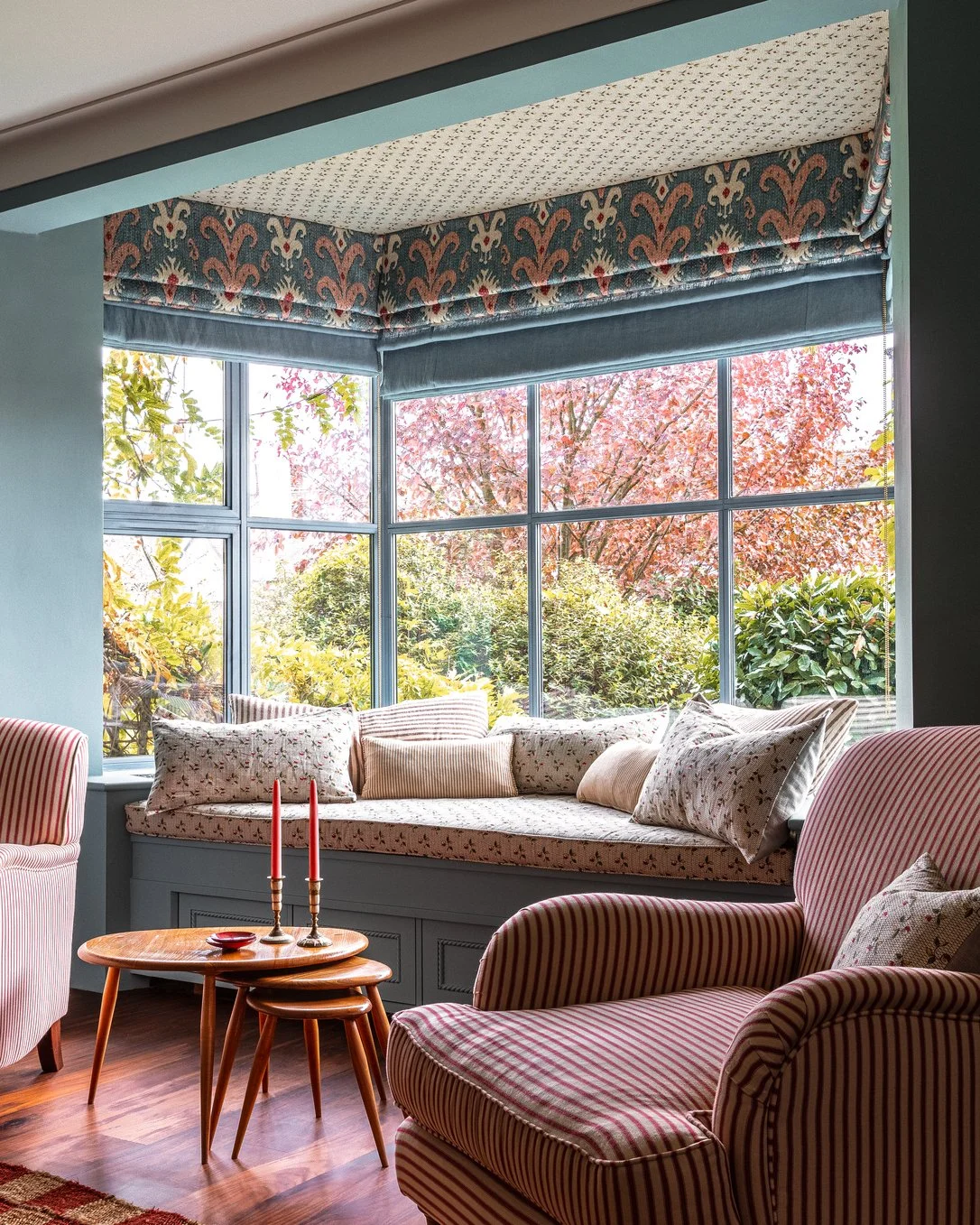
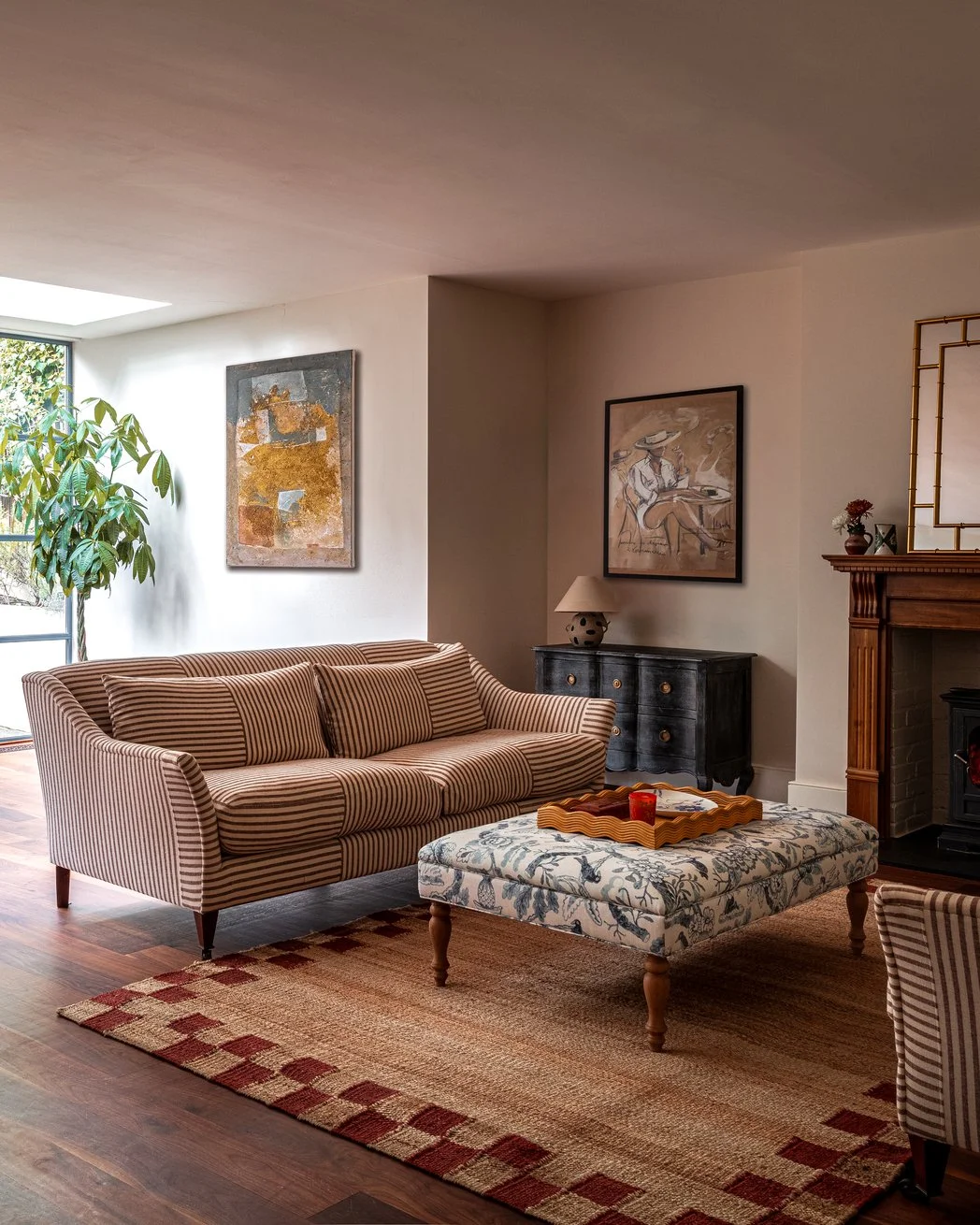
This is where the house gets its character. Antique and vintage pieces sit beside contemporary furniture, and for Technicolor Dreamboat we commissioned a custom mural in the master bedroom to elevate the space and add a romantic flourish.
Good furniture and fabric often have long lead times, so this stage can take longer than people expect. Planning ahead is the best favour you can do yourself.
Installation
The final dressing of a house happens quickly by comparison and it is the most satisfying part of the process. Furniture arrives, art goes up, lamps are switched on. Rooms that have existed only on paper for months become real in a matter of days.
Where the budget goes
Keeping what works can leave more of the budget for the things you will see and use every day: a beautifully made sofa, a piece of bespoke joinery, good lighting, or new flooring where the existing floor lets the room down. An existing kitchen may need thoughtful updates rather than replacement.
That does not mean refurbishment is necessarily inexpensive. Craftsmanship, furniture and specialist finishes are substantial investments in their own right. The point is to spend on the changes that will make the greatest difference to this particular house.
And if you renovate later?
Redecorating or refurbishing now does not rule out renovating later. A scheme can be planned with that possibility in mind, and many of the pieces you invest in, including furniture, art and decorative lighting, can move with you through a future phase.
Whichever route you take, the first step is the same: work out what the house actually needs.
